
Isolation, Unimaginable Suffering, and the Reality of Being Left to Die
—this is the fate faced by DHHDBDD families in Haiti without OTG’s life-saving operations. Providing aid in Haiti lacks safe corridors or secure transportation routes for DHHDBDD victims to hospitals. Gangs will constantly stop our team en route, and invasions can restrict when we deliver aid. These barriers have led to immense suffering and, tragically, even death. There is no helpline to call, no police to help, no ambulance ride to the hospital; DHHDBDD people rely entirely on OTG’s accessible hotline for safe evacuations to secure zones. However, due to limited resources, victims often endure grueling hours-long motorbike journeys through treacherous terrain. Despite an unchangeable environment, OTG’s operations in Haiti remain a lifeline for DHHDBDD individuals and their children, saving them from excruciating and life-threatening circumstances.
Many of the families we are supporting live in isolated makeshift encampments lacking flooring, beds/bedding, and adequate structural support (walls held together by wood, tarps, and metal sheets). These deteriorating living conditions have resulted in an increase in OTG’s medical evacuations to our partnering hospital, Centre Hospitalier de Fontaine, averaging 4-8 patients per visit. Health issues are exacerbated by hunger, malnutrition, and the lack of clean water, leading to skin infections. The severity of the situation is compounded by the volatile environment; without warning, DHHDBDD individuals are continuously exposed to gunfire. Furthermore, constant exposure of wounds to dirt and debris, coupled with the lack of access to clean water, is hindering proper healing and increasing the risk of life-threatening infections.

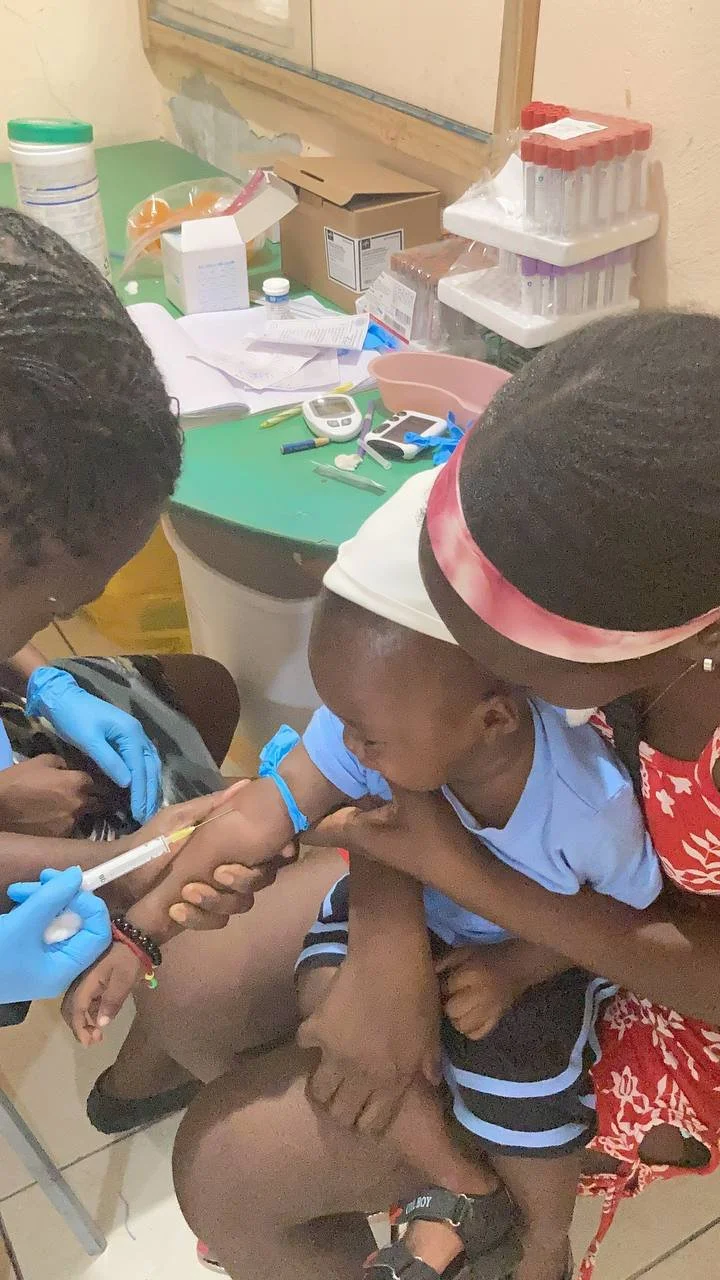

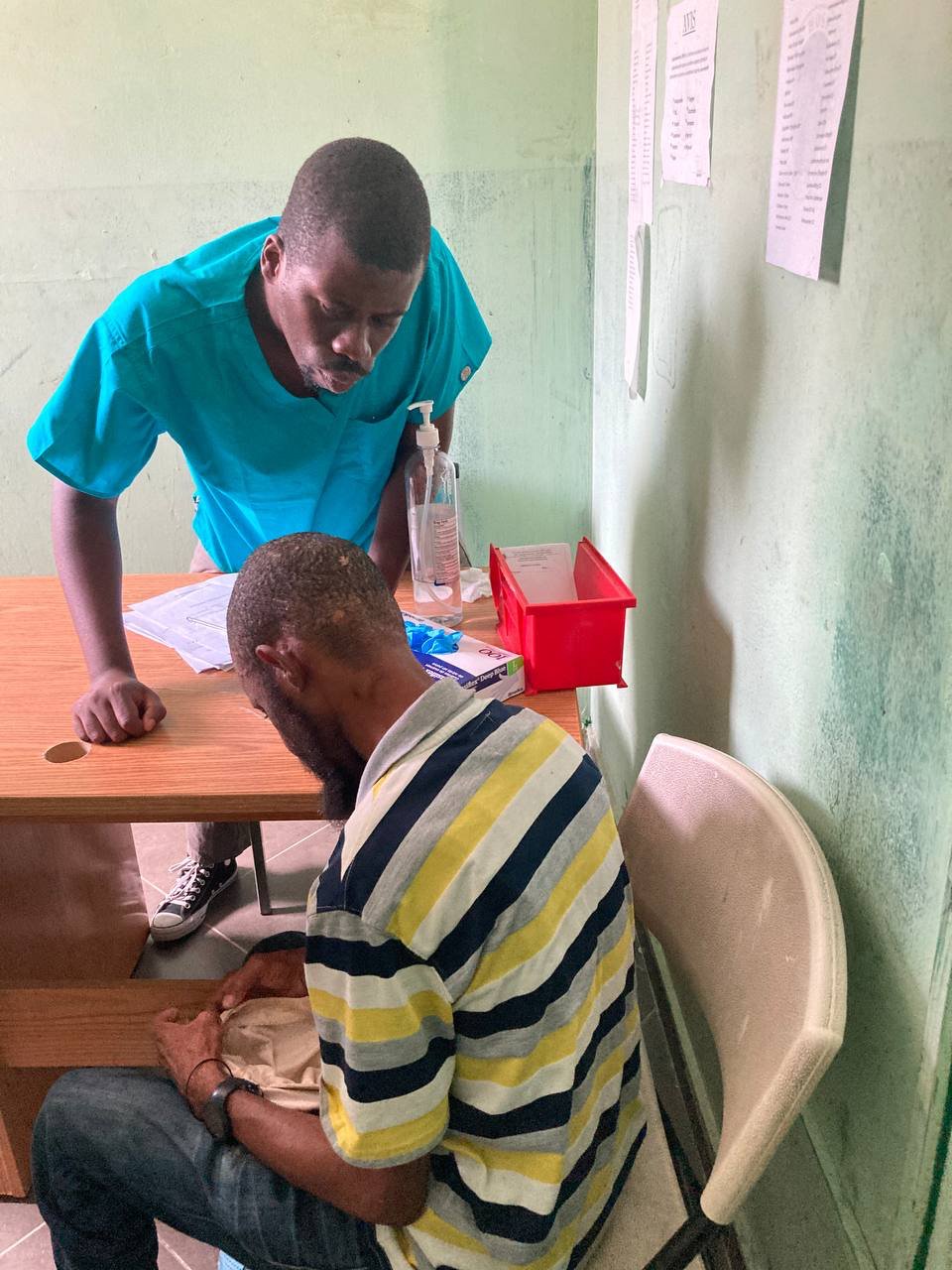


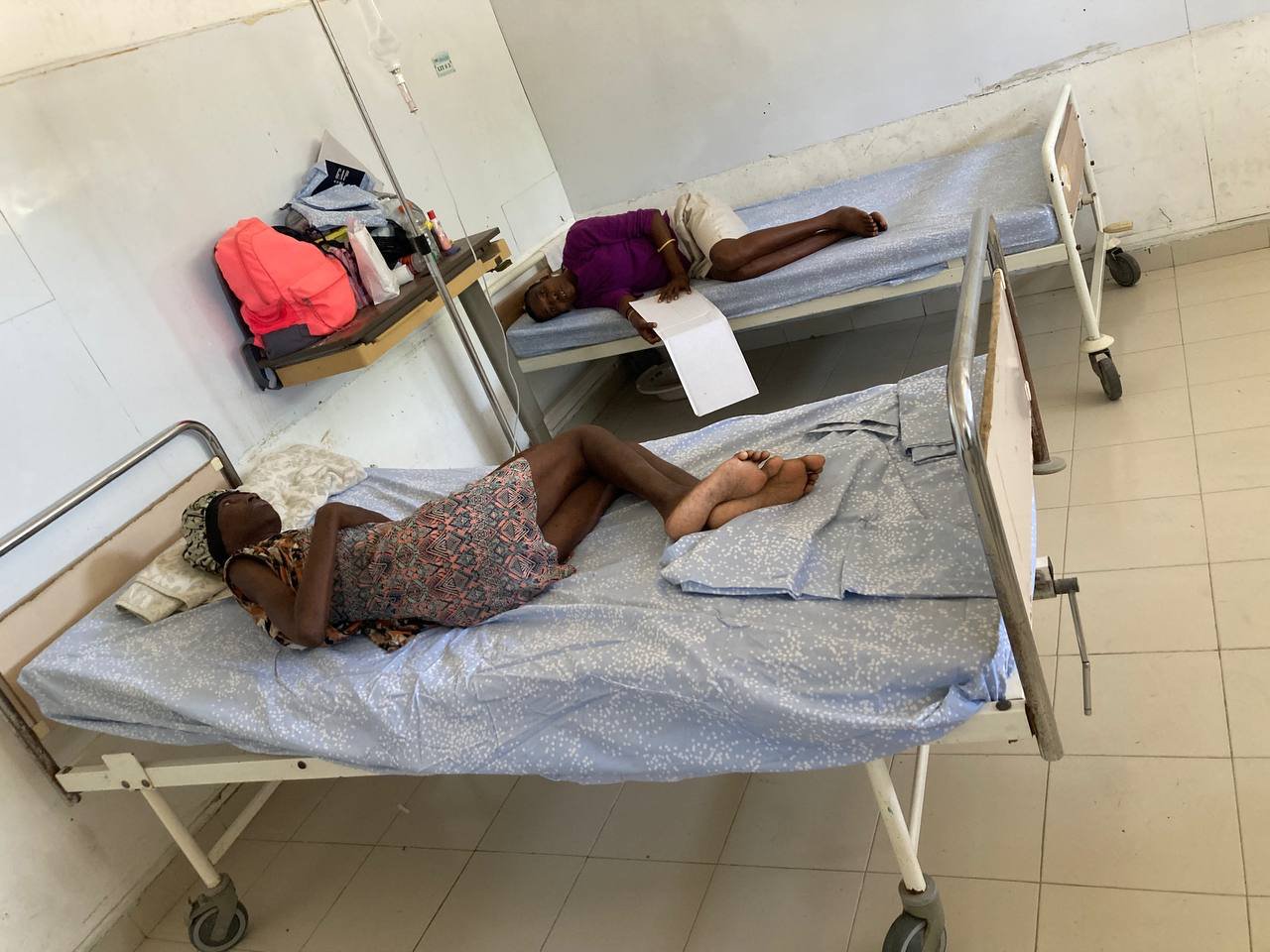


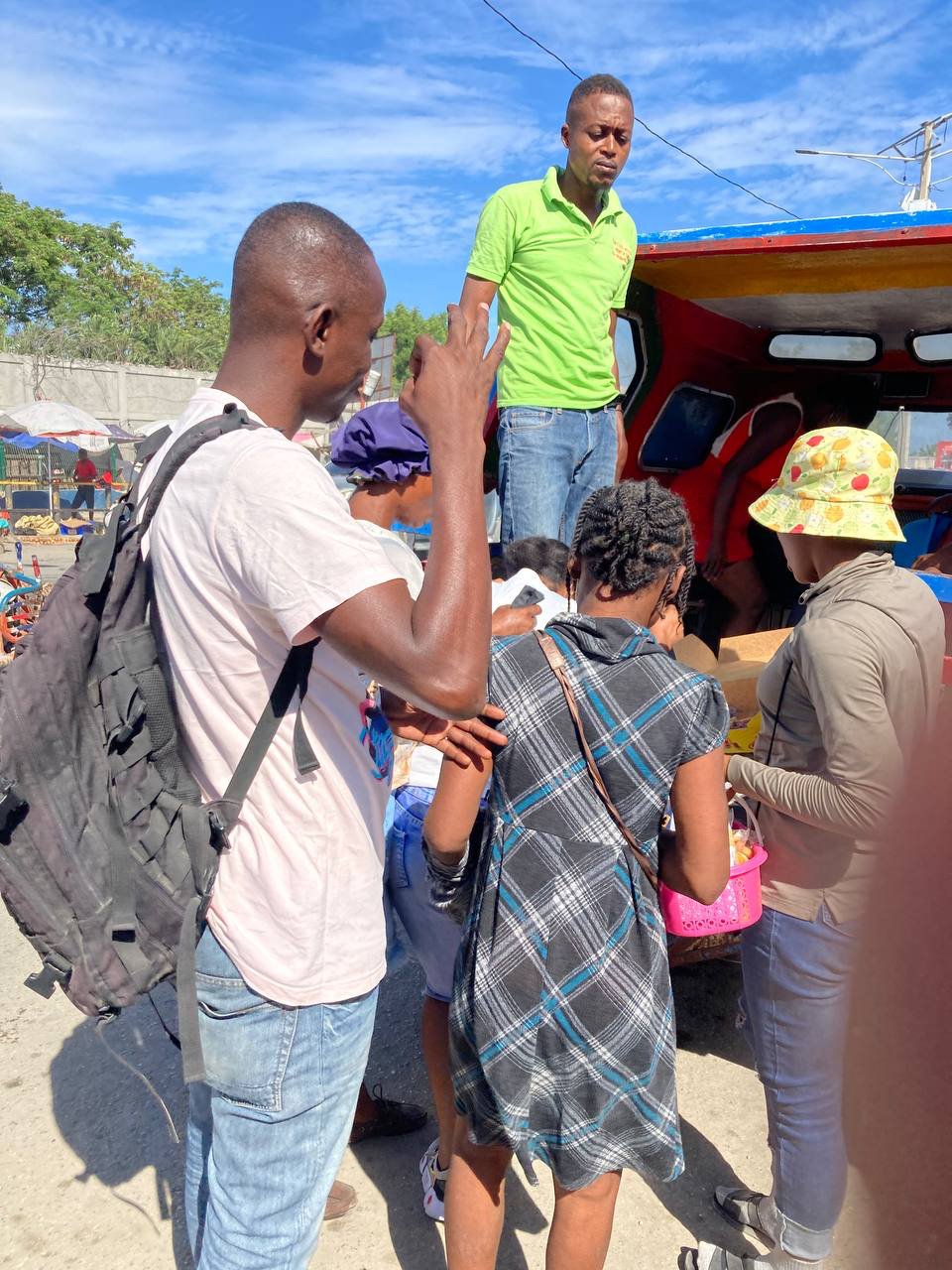


[Photos above of OTG’s team operating safe route evacuations, providing communication access in the hospital, and access to medical – 100% of the operations are paid for with donations]
We Are a Lifeline for Over 300 Deaf Families in Haiti

Four years ago, our campaign to end violence against DHHDBDD people in Haiti was followed by a turbulent time: the Haitian President’s assassination and the brutal attack and burning of a Deaf camp housing many DHHDBDD families. Since then, Haiti has faced a collapsed government, gang control, aid organization closures, kidnappings, cholera outbreaks, and devastating floods, further isolating the DHHDBDD community. Despite these challenges, we strengthened our team, built new partnerships, and continued our work, which has become harder but more critical than ever.
250% Increase in Aid Distribution Since 2023


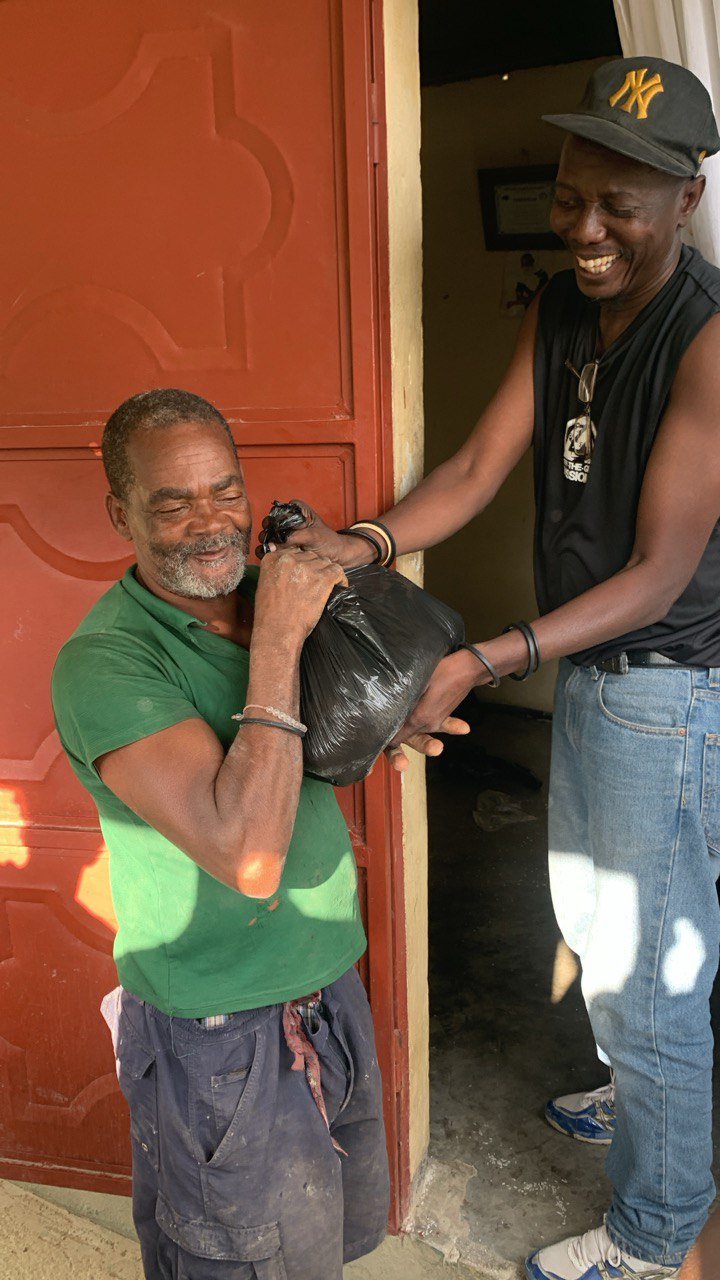


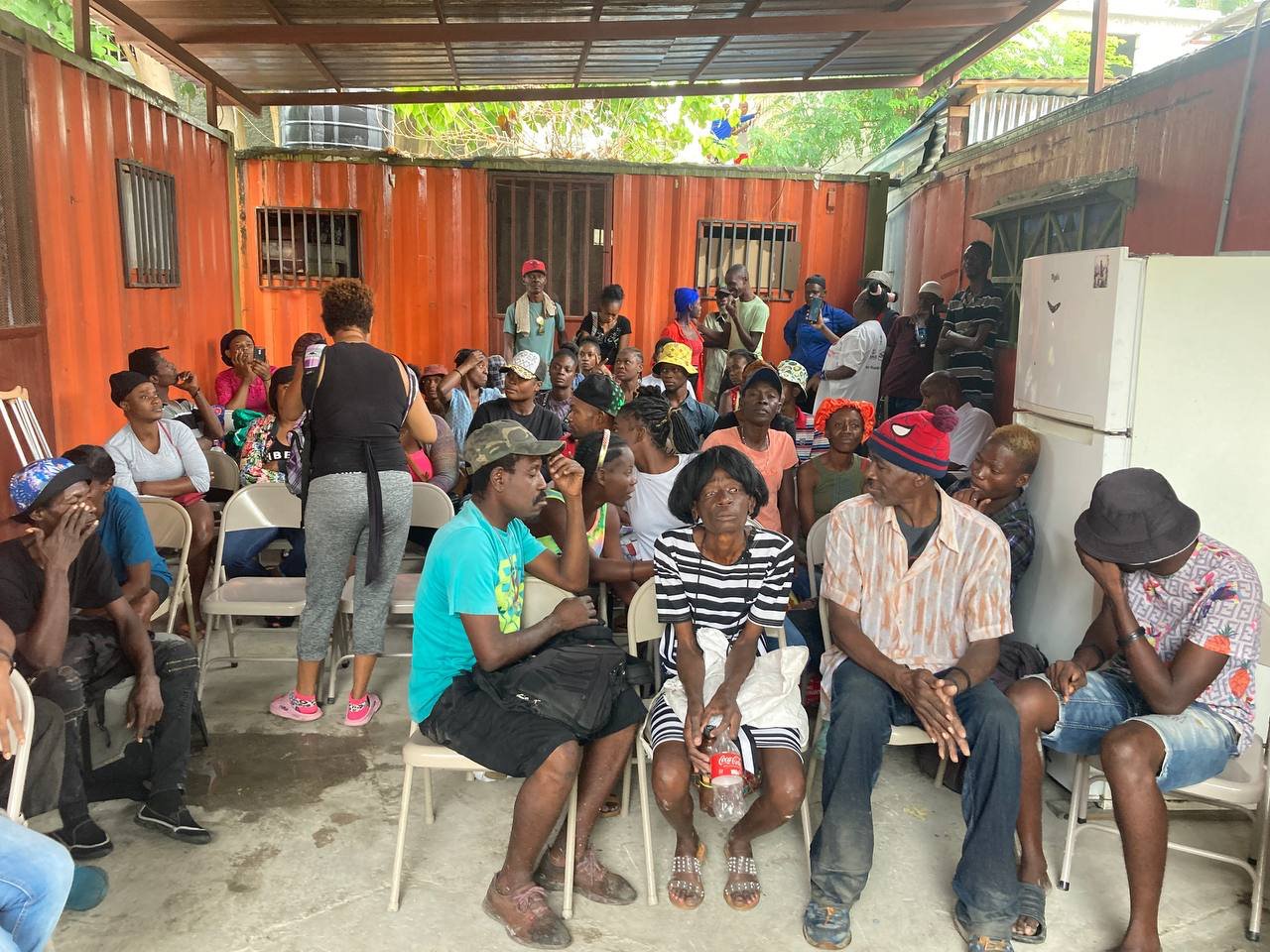


OTG’s Safe Haven Program for Deaf Women Expands in 2024 to Support OTG’s Growing Life-Saving Operations


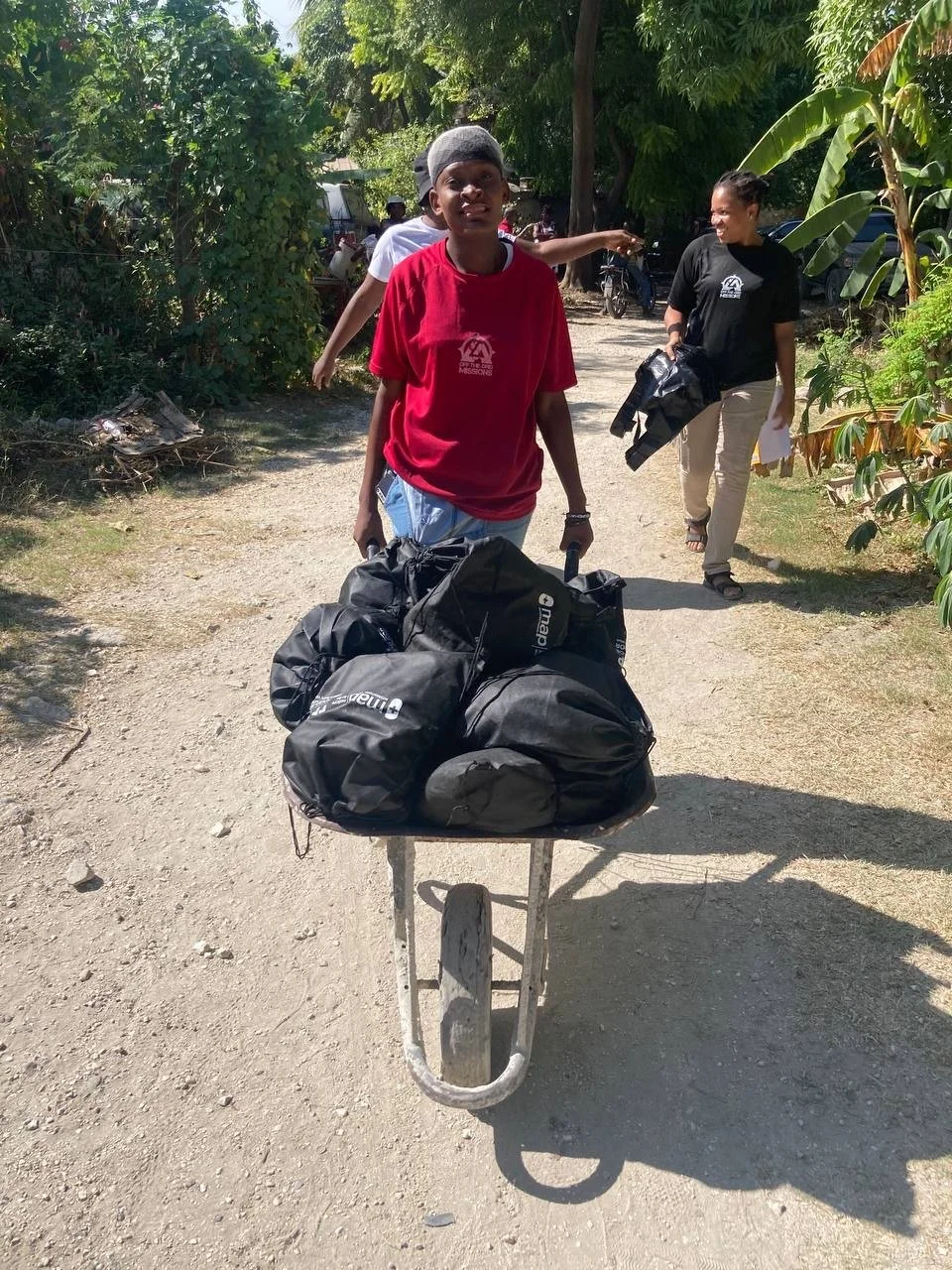


At the Safe Haven, DHHDBDD women and girls find safety and the tools to rebuild their lives and thrive. DHHDBDD community members, especially women and girls, face daily struggles with physical abuse, sexual assault, and exploitation. One of the most heartbreaking realities is the "Restavek" system—a form of modern slavery where DHHDBDD children, trapped in systemic poverty and unable to communicate with their families, are sent away as domestic workers. In response, OTG launched the Safe Haven program in 2020, offering a private, secure space staffed entirely by Deaf Haitians, where women and girls can connect, learn, access education and job training, and receive hot meals and essential care—all while building confidence and independence. Supported by Deaf-friendly neighbors, the program expanded this year to include job opportunities, empowering Deaf women with disaster preparedness training and engaging them in distributing life-saving aid to their communities.